HOME | BUSINESS | RV | MARITIME | ROAMING
Starlink Cable Routing
Book for professional Starlink cable routing techniques, including weatherproofing, conduit installation, wall penetrations, cable protection, and long-term reliability.
GET A QUOTE & BOOK YOUR INSTALLATION 
Starlink Cable Routing | Professional Installation, Protection & Best Practices
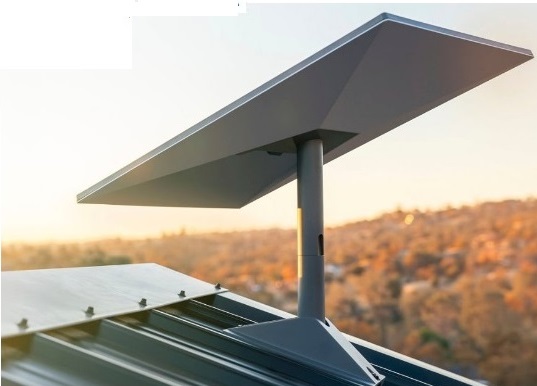
Professional Cable Routing for Reliable Starlink Performance
Proper cable routing is one of the most overlooked yet critical aspects of a successful Starlink installation. While the satellite antenna and router receive most of the attention, the cable connecting these components is the communication pathway that carries both power and high-speed network data. Improper routing can expose the cable to environmental damage, mechanical stress, excessive heat, moisture, ultraviolet radiation, or accidental impact, potentially affecting long-term system reliability. A professionally planned cable installation protects this vital connection while creating a clean, organized, and serviceable installation.
Unlike many traditional satellite television systems that use coaxial cable, modern Starlink systems utilize a high-performance communication cable designed specifically for power delivery and data transmission between the outdoor antenna and the indoor router. Maintaining the integrity of this cable is essential because excessive bending, compression, stretching, abrasion, or improper handling can negatively affect performance or shorten its service life. Every installation should begin with a routing plan that minimizes cable length while avoiding unnecessary hazards and preserving future accessibility.
The shortest cable path is not always the best cable path. Professional installers evaluate building construction, structural framing, attic access, crawl spaces, conduit opportunities, equipment locations, and future maintenance requirements before determining the final routing path. The objective is to create a protected installation that minimizes exposure while maintaining an organized appearance both inside and outside the building.
Outdoor cable routing requires careful consideration of environmental conditions. Continuous exposure to sunlight, rain, snow, wind, temperature fluctuations, and airborne contaminants can gradually degrade improperly protected cables. Where cable is exposed, installers often utilize UV-resistant conduit, protective raceways, flexible outdoor tubing, or other approved protection methods to reduce long-term environmental wear. Conduit also provides additional protection against landscaping equipment, wildlife, rodents, accidental impact, and routine property maintenance.
Supporting the cable correctly is equally important. Cables should be secured using appropriate fasteners that hold the cable firmly without crushing or deforming it. Excessive tension should be avoided, allowing for normal thermal expansion and contraction as outdoor temperatures change throughout the year. Maintaining proper bend radius helps preserve internal conductor integrity while reducing unnecessary stress on connectors and termination points.
Building entry points deserve special attention. Whether routing through exterior walls, soffits, utility penetrations, attics, or equipment rooms, every opening should be carefully planned and professionally sealed to help prevent water intrusion, air leakage, insects, and environmental contamination. Weather-resistant sealants, bushings, grommets, and protective sleeves improve both durability and appearance while helping preserve the integrity of the building envelope.
One of the most important installation techniques is creating proper drip loops wherever cables enter a structure. A drip loop allows rainwater to fall away from the building before reaching the penetration point, reducing the likelihood of moisture following the cable indoors. Although simple, this technique significantly improves long-term weather resistance and is considered a standard best practice in outdoor communications installations.
Cable routing also affects future maintenance. Leaving appropriate service loops near equipment allows components to be serviced or replaced without requiring complete cable replacement. Organized cable management, labeling, and accessible routing paths simplify future troubleshooting, equipment upgrades, and network expansion while reducing maintenance costs over the life of the installation.
Indoor cable management contributes to both performance and aesthetics. Professional installations avoid exposed cables whenever practical by utilizing attics, crawl spaces, wall cavities, structured wiring pathways, cable trays, or decorative raceways. Organized cable routing reduces clutter, protects against accidental damage, and creates a finished appearance that integrates naturally into residential and commercial environments.
Electrical considerations should also be incorporated into the routing plan. Communication cables should be separated from high-voltage electrical wiring whenever possible to reduce the potential for electromagnetic interference and to comply with accepted installation practices. Maintaining appropriate separation also improves serviceability by clearly distinguishing low-voltage communications infrastructure from electrical distribution systems.
Commercial installations frequently require additional planning due to larger building sizes, equipment rooms, structured cabling systems, and compliance requirements. Cable pathways may include conduit networks, ladder racks, cable trays, plenum spaces, raised floors, or telecommunications rooms designed to support future network expansion. Integrating Starlink into existing structured cabling infrastructure creates a scalable installation capable of supporting enterprise networking equipment, wireless access points, security systems, and other connected technologies.
Long-term reliability depends on protecting the cable throughout its entire service life. Periodic inspection of exposed cable sections, mounting hardware, conduit connections, and weatherproof seals helps identify potential issues before they result in service interruptions. Proper installation significantly reduces the likelihood of damage caused by weather, animals, accidental impact, or routine maintenance activities.
Professional cable routing is far more than simply connecting the Starlink antenna to the indoor router. It is a carefully engineered process that combines building construction knowledge, low-voltage communications practices, weatherproofing techniques, and network infrastructure design to create a reliable, serviceable, and visually appealing installation. Investing in professional cable routing helps protect your Starlink system, preserve network performance, and ensure dependable connectivity for years of continuous operation.
---
Why Cable Routing Matters
Power and data transmission
Reliability
Safety
Serviceability
Appearance
---
Indoor Cable Routing Best Practices
Wall cavities
Attics
Crawl spaces
Equipment closets
Raceways
Service loops
Cable labeling
---
Outdoor Cable Protection
UV exposure
Conduit
Flexible tubing
Drip loops
Weatherproof seals
Rodent protection
Mechanical protection
---
Building Penetrations
Exterior walls
Roofs
Soffits
Utility entries
Waterproofing
Fire stopping (where applicable)
---
Commercial Cable Management
Cable trays
Ladder racks
Telecommunications rooms
Structured cabling
Plenum-rated pathways
Network expansion planning
---
Common Cable Routing Mistakes
Tight bends
Unsupported cable
Exposed connectors
Poor sealing
Routing alongside power cables
No drip loop
Improper strain relief
---
Frequently Asked Questions
Can I extend a Starlink cable?
Should Starlink cable be installed in conduit?
Can the cable be buried?
How do I protect the cable from rodents?
Can I route the cable through an attic?
How far can the router be from the antenna?
Can the cable run alongside electrical wiring?
Get Quote & Schedule Best StarLink Internet Satellite Dish Installation Services by Our Certified StarLink Installers in all Southern CA cities, from N. Santa Barbara to San Diego, Palm Spring & Los Angeles for Businesses, Homes, RVs, Mobile Homes and Boats Call 310-470-2320 - StarLinkLosAngeles.com
Book for professional Starlink cable routing techniques, including weatherproofing, conduit installation, wall penetrations, cable protection, and long-term reliability.
