HOME | BUSINESS | RV | MARITIME | ROAMING
Starlink Marinas
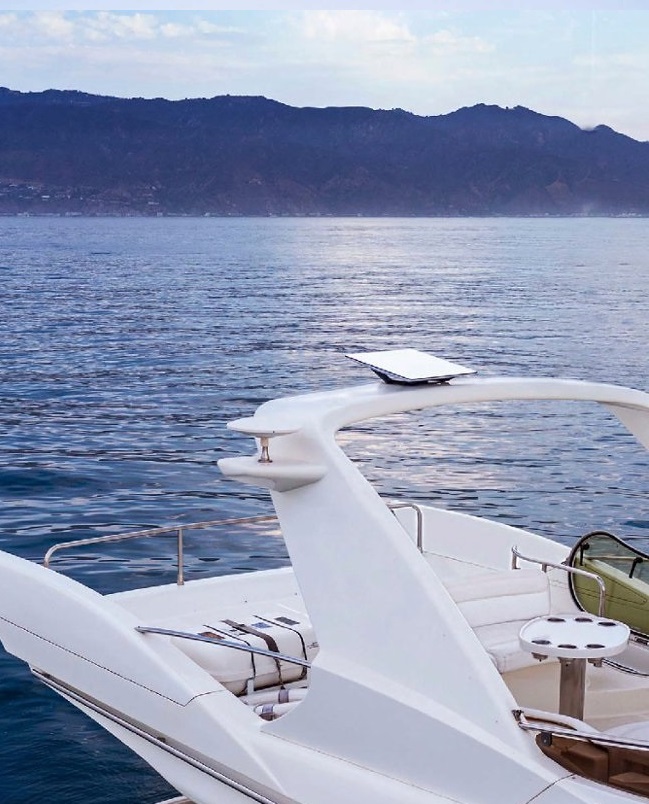
Professional Starlink installation for boats, yachts, sailboats, marinas, fishing vessels, and waterfront facilities. Reliable marine satellite internet with expert mounting, networking, and weather-resistant installation.
GET A QUOTE & BOOK YOUR INSTALLATION 
website into the marine communications category. It targets boat owners, yacht owners, commercial fishing operators, marinas, harbor facilities, sailing enthusiasts, marine contractors, and waterfront businesses. Rather than being just another "installation page," it demonstrates expertise in marine networking, corrosion protection, vessel power systems, and maritime communications.
Reliable Satellite Internet for Marine and Waterfront Environments
Reliable internet connectivity has become an essential part of modern boating and marina operations. Whether supporting navigation updates, weather forecasting, vessel management, business operations, passenger communications, security monitoring, or remote work, dependable broadband access is increasingly expected both on the water and at the dock. Starlink provides a high-speed satellite internet solution that extends connectivity beyond the limitations of traditional cellular networks, making it a valuable technology for recreational boaters, commercial operators, marina facilities, and waterfront businesses.
Unlike conventional satellite internet systems that rely on a single geostationary satellite, Starlink operates through a constellation of Low Earth Orbit (LEO) satellites that continuously move across the sky. This architecture delivers significantly lower latency and higher throughput, allowing users to support cloud applications, video conferencing, real-time navigation data, streaming media, remote monitoring, and other bandwidth-intensive services. For vessels operating beyond reliable cellular coverage or marinas located in underserved coastal areas, Starlink offers a practical alternative for maintaining consistent communications.
Successful marine installation begins with proper antenna placement. The antenna requires the widest possible view of the sky while minimizing obstructions created by radar arrays, communication masts, sails, outriggers, solar panels, cranes, dock structures, nearby vessels, or elevated shoreline buildings. Selecting the appropriate mounting location involves balancing satellite visibility with vessel design, safety, maintenance access, and long-term equipment protection. Professional installers evaluate these factors to maximize performance while preserving the functionality of other onboard systems.
Marine environments introduce unique installation challenges that differ significantly from residential or commercial applications. Continuous vibration, vessel movement, salt air, humidity, ultraviolet radiation, wind exposure, and corrosive conditions require installation methods specifically suited for long-term marine use. Corrosion-resistant stainless steel hardware, marine-grade mounting brackets, UV-stable cable protection, waterproof cable glands, and weather-resistant sealants help protect the installation while extending equipment life in demanding coastal environments.
Power management is another important consideration aboard vessels. Many boats operate from battery banks supported by alternators, shore power connections, solar charging systems, wind generators, or onboard generators. Proper electrical integration includes evaluating available power capacity, voltage stability, circuit protection, and surge suppression to ensure reliable operation without placing unnecessary demand on the vessel's electrical system. Professional installation also considers battery management strategies to support extended operation while at anchor or away from shore power.
Cable routing aboard boats requires careful planning due to confined spaces and exposure to moisture, vibration, and mechanical movement. Communication and power cables should be protected from abrasion, excessive bending, standing water, engine compartments, fuel systems, and areas subject to repeated movement. Marine cable supports, protective conduit, drip loops, sealed deck penetrations, and organized routing pathways improve both reliability and future serviceability while maintaining a clean, professional appearance.
Wireless networking aboard vessels presents different challenges than those encountered in homes or office buildings. Cabin construction, metal bulkheads, enclosed equipment spaces, and multiple decks can reduce wireless signal propagation. Larger yachts, passenger vessels, commercial boats, and marina facilities frequently benefit from additional wireless access points, managed switches, and structured Ethernet connections to extend reliable coverage throughout cabins, wheelhouses, engine monitoring stations, crew quarters, dock offices, and outdoor seating areas.
Marinas and waterfront facilities often require connectivity across much larger areas than a single vessel. Professional network design may include outdoor wireless access points, point-to-point wireless bridges, structured cabling, fiber links, and managed networking equipment that distributes Starlink service across administrative offices, maintenance buildings, fueling stations, dock areas, boat storage facilities, repair shops, and customer service locations. This infrastructure supports staff operations while providing reliable connectivity for security systems, payment processing, reservations, and guest internet access.
Commercial marine operators increasingly depend on broadband connectivity for fleet management, electronic logbooks, maintenance reporting, regulatory compliance, cargo documentation, weather routing, and remote technical support. Fishing vessels can upload catch reports, monitor weather conditions, and communicate with shore-based operations more efficiently. Charter operators can manage reservations, process payments, and provide enhanced onboard connectivity for passengers, improving both operational efficiency and customer experience.
Weather awareness is especially important in marine environments. High-speed internet allows access to continuously updated marine forecasts, tidal information, navigation charts, emergency alerts, and route planning tools. Reliable communications improve decision-making while enhancing safety for recreational boaters and commercial operators alike. Maintaining current weather information becomes particularly valuable during offshore travel or rapidly changing coastal conditions.
Routine maintenance contributes significantly to long-term system performance. Marine installations should be inspected periodically for corrosion, loose hardware, cable wear, UV exposure, water intrusion, and mechanical damage caused by vibration or heavy seas. Cleaning salt deposits from external components, verifying weather seals, and checking mounting integrity help preserve reliable operation throughout changing seasons and operating conditions.
Professional installation concludes with comprehensive system testing that verifies satellite visibility, network performance, Wi-Fi coverage, firmware updates, electrical operation, and integration with onboard networking equipment. Establishing baseline performance at the time of installation simplifies future maintenance while ensuring that the system is ready to support navigation, communications, business operations, and onboard connectivity.
Starlink has transformed internet access for boats and marinas by delivering broadband connectivity where traditional terrestrial networks often fall short. Whether installed aboard a recreational vessel, commercial fishing boat, yacht, marina office, waterfront business, or harbor facility, a professionally engineered installation provides dependable communications through careful attention to mounting, cable management, electrical integration, wireless networking, and long-term environmental protection. By combining marine installation best practices with modern networking technologies, Starlink enables reliable connectivity that supports today's increasingly connected maritime lifestyle and marine business operations.
---
Why Starlink Is Changing Marine Connectivity
Offshore communications
Coastal cruising
Marina operations
Remote work afloat
Passenger internet access
Cloud-based vessel management
Weather and navigation services
---
Best Mounting Options for Boats
Cabin roof mounts
Radar arch mounts
Hardtop mounts
Pole mounts
Custom marine brackets
Temporary portable mounts
Advantages and limitations of each.
---
Powering Starlink on a Boat
Shore power
Battery banks
Inverters
Solar charging
Wind generators
Marine generators
DC power management
---
Networking Aboard Vessels & Marinas
Wi-Fi coverage
Ethernet switches
Outdoor access points
Dock Wi-Fi
Guest networks
Security cameras
Marina office connectivity
---
Protecting Equipment in Marine Environments
Salt air
Corrosion prevention
UV exposure
Waterproof cable routing
Stainless steel hardware
Weatherproof enclosures
Routine inspections
---
Common Installation Mistakes
Mounting below radar equipment
Obstructing the antenna with masts or sails
Using non-marine hardware
Poor cable sealing
Inadequate power protection
Weak Wi-Fi coverage below deck
Ignoring corrosion maintenance
---
Frequently Asked Questions
Can Starlink be installed on a boat?
Yes. With appropriate Starlink hardware, service plans, and professionally selected mounting solutions, Starlink can provide reliable broadband connectivity for many recreational and commercial marine applications.
Will Starlink work while docked in a marina?
Yes. Many boat owners and marina operators use Starlink to provide internet connectivity while vessels are moored or while supporting marina office operations.
Can Starlink support navigation and weather applications?
Yes. High-speed internet allows access to updated marine weather forecasts, navigation charts, routing information, and cloud-based marine applications.
Can Starlink provide Wi-Fi throughout a yacht or marina?
Yes. Additional wireless access points, Ethernet switches, and professionally designed networks can extend coverage throughout larger vessels and marina facilities.
How do I protect Starlink equipment from saltwater conditions?
Professional installation uses marine-grade mounting hardware, corrosion-resistant materials, weatherproof cable routing, sealed penetrations, and routine maintenance practices to improve long-term durability.
---
Marine communications
Maritime networking
Vessel internet systems
Marina infrastructure
Waterfront business connectivity
Marine electrical systems
Corrosion-resistant installations
Coastal broadband
Marine Wi-Fi design
Remote maritime operations
Technical considerations unique to boats and marinas. StarlinkLosAngeles.com as a trusted resource for professional Starlink deployment across residential, commercial, mobile, agricultural, construction, and marine environments.
Professional Starlink installation for boats, yachts, sailboats, marinas, fishing vessels, and waterfront facilities. Reliable marine satellite internet with expert mounting, networking, and weather-resistant installation.
